Cheese Pizza and Salad Pairings for a Balanced Meal
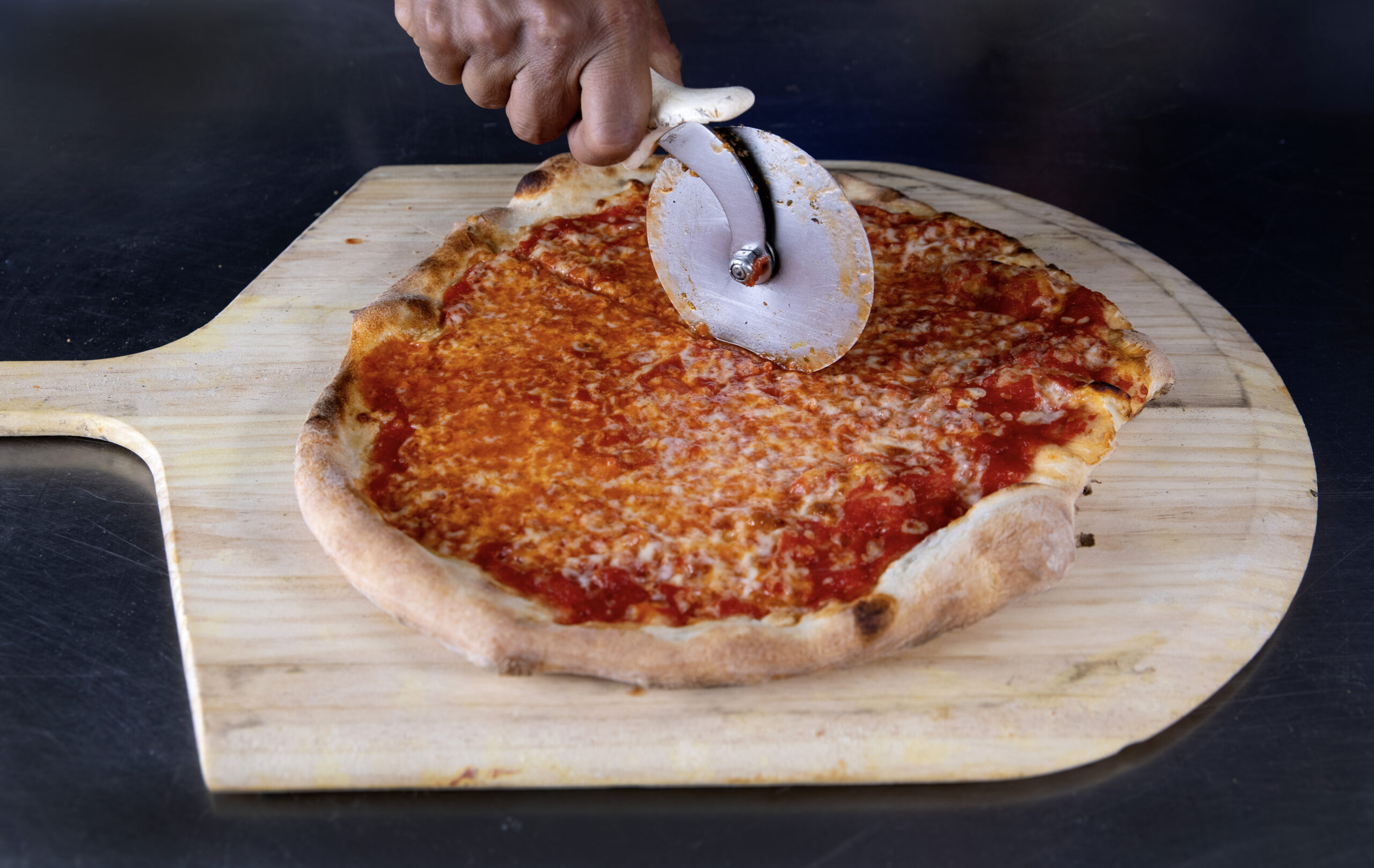
Cheese Pizza has a way of making dinner feel settled before anyone sits down. It is familiar, widely liked, and forgiving enough for a weeknight, a casual lunch, or a gathering where tastes run in different directions. Yet it can also feel one-note if the meal begins and ends with dough, tomato, and melted cheese. That is where salad earns its place, not as a token side, but as the element that turns a slice into a balanced meal.
A good pairing does more than add something green to the plate. It manages richness, temperature, texture, acidity, and appetite. Cheese Pizza is hot, soft, salty, and often moderately acidic from the sauce. Salad can answer those qualities in different ways. It can cut through the cheese with crisp lettuces and a tart vinaigrette. It can echo the pizza’s comfort with roasted vegetables and assertive greens. It can even make the meal feel lighter without becoming austere or joyless.
I have found that the best pairings begin with honesty about the pizza in front of you. A thin, blistered pie from a high-heat oven behaves differently from a thick, pan-style cheese pizza with a generous layer of mozzarella. A quick lunch slice calls for a different salad than a Friday-night pie meant to anchor the table. Once you understand the personality of the pizza, the salad becomes easier to build.
What makes Cheese Pizza hard to pair well
Cheese Pizza sounds simple, but its simplicity is exactly what complicates pairing. It does not have pepperoni’s spice, mushrooms’ earthiness, or sausage’s fennel and fat to dictate direction. The cheese, sauce, and crust sit in a careful balance, and a poorly chosen salad can either disappear beside it or overwhelm it.
The most common mistake is serving a salad that is too timid. Pale lettuce with watery tomatoes and bottled dressing often lands as an obligation rather than part of the meal. The pizza remains the only thing anyone tastes. The second mistake goes in the Cheese Pizza opposite direction. A salad loaded with sweet fruit, candied nuts, blue cheese, and heavy dressing can crowd out the pizza’s clean, direct appeal. When both items compete for attention, neither feels satisfying.
The goal is contrast with restraint. You want the salad to sharpen the edges of the meal, not redraw it. In practical terms, that usually means freshness, bitterness, or acidity, with enough substance to hold its own. It also means respecting portion balance. One or two slices of Cheese Pizza with a genuinely composed salad often feels more complete than three slices eaten alone.
The balancing act: fat, acid, crunch, and bitterness
A classic cheese slice brings fat from the cheese, starch from the crust, and acid from the tomato sauce. It often lacks crispness once it leaves the oven, especially if it sits in a box for ten or fifteen minutes. Salad can restore what is missing.
Acid is the most useful tool. A vinaigrette with lemon juice, red wine vinegar, or sherry vinegar can freshen the palate after every bite. This matters most with richer pies, particularly those made with whole-milk mozzarella or extra cheese. Bitter greens such as arugula, radicchio, frisée, or even romaine hearts also help because bitterness naturally checks richness. Crunch matters too. Cucumbers, fennel, toasted seeds, crisp lettuce ribs, or thinly sliced celery create a contrast the pizza cannot provide on its own.
There is also a temperature dimension that people tend to overlook. Cheese Pizza is best hot or at least warm. Salad should be cool, but not refrigerator-cold to the point of numbing flavor. Lettuce straight from a very cold fridge can mute the dressing and make the meal feel disjointed. Ten minutes on the counter after dressing, especially for sturdy greens, often improves the pairing.
Start with the style of pizza, not the salad
Not all Cheese Pizza behaves the same way at the table. A New York-style slice with a crisp underside and restrained cheese wants a bright, nimble salad. A Sicilian or pan pizza, where the crumb is airy and the cheese layer thicker, benefits from something sharper and more assertive. A wood-fired margherita, though technically often called cheese pizza in broad terms, usually has a lighter hand with mozzarella and more obvious basil and char. That pie pairs beautifully with peppery greens or shaved vegetables rather than a dense chopped salad.
If you order from a local pizzeria often, it helps to note a few details over time. Is the sauce sweet or tangy? Is the cheese mild or salty? Does the crust lean chewy, crisp, or bready? Those details shape the salad more than abstract rules do. A sweeter sauce often benefits from bitter greens. A salty cheese layer likes juicy vegetables and a more restrained dressing. A bready crust can handle a more substantial salad with beans or grains, though that starts to move the meal from crisp contrast toward hearty companionship.
Salad styles that consistently work
A few salad families pair well with Cheese Pizza because they solve the same sensory problem in different ways. These are not strict formulas, but they are dependable starting points.
- Crisp green salads with vinaigrette, built around romaine, little gem, leaf lettuce, or mixed greens
- Peppery salads, especially arugula with lemon, olive oil, and shaved Parmesan
- Italian-style chopped salads with lettuce, cucumber, red onion, olives, and a red wine vinaigrette
- Shaved vegetable salads featuring fennel, celery, radish, or cabbage for crunch and lift
- Bitter green salads with radicchio or escarole, especially when the pizza is extra cheesy or thick-crusted
Each style solves a different problem. Crisp green salads keep the meal light and clean. Arugula brings spice and sharpness. Chopped salads create more bite-to-bite variety and feel satisfying without becoming heavy. Shaved vegetable salads offer texture and an almost palate-cleansing effect. Bitter salads are best when the pizza leans indulgent.
Why romaine is more useful than people think
Romaine does not always get credit as a pairing green because it is so common, but it is one of the best companions for Cheese Pizza. It has enough crunch to remain distinct, enough sweetness to stay friendly, and enough structure to tolerate assertive dressing. It does not wilt into a puddle after five minutes on the table, which matters if the pizza arrives before everyone is seated.
A romaine salad also leaves room for small, high-impact additions. Thin red onion, a few olives, shaved carrot, or chopped parsley can change the profile without turning the bowl into a deli case. Keep the dressing acidic and fluid rather than creamy. Caesar can work in some contexts, especially with a very lean, crisp pizza, but in most homes and most takeout situations it doubles down on richness. For balance, vinaigrette nearly always does the better job.
Arugula and lemon: the pairing that rarely fails
If there is one near-universal answer to Cheese Pizza, it is arugula dressed lightly with lemon juice, olive oil, salt, and perhaps a little shaved Parmesan. The arugula brings pepperiness, the lemon supplies brightness, and the Parmesan can mirror the savory side of the pizza without adding much weight.
This works especially well with thin-crust pizza or pies with fresh mozzarella because the salad feels elegant rather than heavy-handed. It also has a practical advantage. You can toss it in less than two minutes. For anyone trying to improve weeknight meals without adding a major prep step, that matters. Keep the lemon in check, though. Too much acid can make the tomato sauce taste flat by comparison. The aim is refreshment, not aggression.
When chopped salad makes more sense
There are nights when a leafy salad feels too delicate, particularly alongside delivery pizza or a thicker, more substantial pie. In those cases, a chopped salad can be the better partner. It brings crunch, moisture, and a broader range of flavors in each bite, which helps if the pizza itself is straightforward.
The key is discipline. Many chopped salads become overloaded. If you combine lettuce, tomatoes, cucumbers, chickpeas, cheese, salami, pepperoncini, croutons, and creamy dressing, you have built a second main course. That can be delicious, but it no longer balances Cheese Pizza. It competes with it. A better chopped salad for this meal focuses on crisp vegetables, one briny note such as olives or pepperoncini, and a vinaigrette that keeps everything moving.
I like a chopped salad particularly with pan pizza because the salad’s juicy, crunchy structure counteracts the pizza’s soft interior and rich top. One or two slices plus a bowl of chopped romaine, cucumber, red onion, and olives often lands as a fully satisfying dinner without the sluggishness that follows a pizza-only meal.
Bitter greens for richer pies
When the pizza is especially cheesy, or when the crust is thick enough to feel almost focaccia-like, bitter greens become valuable. Radicchio, escarole, and frisée bring a firm edge that sweet lettuce cannot. That bitterness may sound severe on paper, but beside a hot, savory slice it reads as sophisticated and refreshing.
The trick is not to serve the greens raw and unsoftened without thought. Bitter greens usually need either a very good dressing, a little salt, or a balancing element such as citrus, apple, or toasted nuts. Even then, restraint matters. A radicchio salad with orange and a light vinaigrette can sing alongside Cheese Pizza. A radicchio salad drenched in a syrupy sweet dressing usually feels confused.
In restaurant kitchens, bitter greens are often the answer when a dish risks feeling too rich across a whole meal. The same logic works at home. If your pizza order includes extra cheese or if the pie comes from a place known for a generous hand with mozzarella, do not reach for a bland side salad. Reach for greens with backbone.
Shaved vegetable salads for texture and freshness
Some of the most successful pizza pairings are not leafy at all. Shaved fennel, celery, cabbage, and radish can create a fresh, crunchy salad that feels clean and modern without becoming precious. These salads work because they change the texture profile of the meal so dramatically.
Fennel is especially useful. Its faint anise note lifts tomato sauce nicely, and its watery crunch helps reset the palate. Celery brings salinity when dressed properly. Radish adds bite. Cabbage gives durability, which is useful if the salad has to sit while the pizza arrives. A simple vinaigrette, a little parsley, and perhaps a squeeze of lemon are usually enough.
This style is worth remembering for outdoor meals or casual gatherings. Leafy salads wilt quickly in heat, but shaved vegetable salads hold up. They also pair well with pizza served buffet-style because guests can take a small helping without dealing with large leaves on paper plates.
Dressings that support rather than smother
For Cheese Pizza, the dressing matters at least as much as the greens. Heavy cream-based dressings can make the meal feel monotonous unless the pizza is unusually light. That does not make them wrong, but they require judgment. Ranch, blue cheese, and thick Caesar style dressings tend to work better as dips or occasional indulgences than as tools of balance.
Vinaigrettes are more dependable because they bring acid, gloss, Cheese Pizza and seasoning without burying the salad. Red wine vinegar feels classic with most pizzeria-style meals. Lemon juice suits arugula and shaved vegetables. Sherry vinegar adds complexity without harshness. Apple cider vinegar can work with cabbage or fennel but may feel too rustic for delicate greens.
The ratio matters too. Many home salads fail because the dressing is either timid or excessive. Too little, and the salad tastes dry and unfinished. Too much, and liquid pools at the bottom while the greens collapse. For a salad meant to accompany pizza, aim for enough dressing that every bite has brightness, but the bowl remains lively. If you can hear the greens crunch after tossing, you are usually in good territory.
A few pairing combinations worth repeating
When people ask for a reliable roadmap, I usually recommend combinations rather than recipes. They are easier to remember and easier to adapt to what is in the fridge.
- Thin-crust Cheese Pizza with arugula, lemon, olive oil, and shaved Parmesan
- New York-style slices with romaine, cucumber, red onion, and red wine vinaigrette
- Pan or Sicilian Cheese Pizza with radicchio, fennel, parsley, and a sharp vinaigrette
- Wood-fired cheese pie with shaved celery, parsley, lemon, and olive oil
- Extra-cheesy delivery pizza with a chopped salad of romaine, olives, pepperoncini, and cucumbers
These pairings work because each salad addresses a specific need. Some sharpen. Some cool. Some crunch. None tries to outshine the pizza.
Portioning the meal so it actually feels balanced
Balance is not only about ingredients. It is also about how the meal is portioned. In practice, a balanced pizza dinner often looks like one large bowl of salad in the center of the table and a realistic expectation that each person will eat it. That sounds obvious, but in many homes the salad appears as a token side and remains mostly untouched while everyone reaches for another slice.
If your goal is a meal that feels satisfying rather than heavy, serve the salad first or at least at the same moment as the pizza. Once people are deep into the second slice, the odds of them reaching for greens drop quickly. Family-style service helps because the salad becomes part of the rhythm of eating rather than a separate health gesture.
For adults, two slices of average Cheese Pizza with a substantial salad is often enough for dinner, though appetites vary widely. Teenagers, athletes, or anyone coming to the table very hungry may want more pizza, and that is fine. The point is not to impose rigid numbers, but to let the salad meaningfully participate in satiety. Fiber, water content, and crunch do more work here than people expect.
Seasonal adjustments that improve the pairing
Season changes the best salad choice more than many people realize. In summer, juicy cucumbers, ripe tomatoes, basil, and crisp lettuces make Cheese Pizza feel breezy and open. In colder months, sturdier greens such as escarole, kale, or radicchio often make more sense. Citrus can brighten winter salads when tomatoes are disappointing. Shaved fennel and cabbage carry the meal nicely when lettuce quality drops.
Spring invites tender greens, herbs, and radishes, which pair beautifully with lighter pizzas. Autumn calls for a more grounded approach, perhaps bitter greens with apple slices or a cabbage salad with mustardy vinaigrette. The underlying principle remains the same: match the salad’s weight and personality to both the pizza and the season.
One practical note from experience: avoid forcing watery, flavorless produce into the bowl just because it is traditional. A winter tomato rarely helps Cheese Pizza. In that case, lean on texture, herbs, and acidity instead.
Common mistakes that flatten the meal
Several errors show up again and again. The first is overloading the salad with toppings. Every ingredient should have a reason to be there. When the bowl becomes a catch-all for leftovers, the pairing loses clarity. The second is under-seasoning. Salad needs enough salt and acid to stand next to pizza, which is naturally assertive.
A third mistake is choosing sweetness when the meal needs freshness. Dried cranberries, candied pecans, and sugary dressings are not inherently bad, but they often push the meal away from balance and toward clutter. Another issue is serving a salad that is too cold, too wet, or dressed too far in advance. Warm pizza and soggy greens do not make a compelling pair.
Finally, there is the temptation to think that any salad makes a meal balanced. Technically, perhaps. Sensory-wise, not always. If the salad is perfunctory, people will ignore it. To matter, it must be properly dressed, well-textured, and built with intention.
Making it work on busy nights
The best pairings are the ones you can repeat when life is not organized. On busy nights, that usually means keeping one or two salad formulas in regular rotation. Arugula with lemon and olive oil is one. Romaine with red wine vinaigrette and whatever crisp vegetables are on hand is another. If you stock lemons, vinegar, olive oil, and a couple of reliable greens, you can make Cheese Pizza feel far more complete with minimal effort.
Bagged salads can help, but they often come with too much dressing or unnecessary add-ins. It is usually better to buy the greens and dress them yourself, even if the rest of the meal is takeout. The difference between a fresh, properly dressed salad and an overly sweet packaged kit is larger than the time savings might suggest.
For entertaining, do as much as possible before the pizza arrives. Wash and dry greens thoroughly, slice vegetables, and mix the dressing in the bottom of a large bowl. Toss just before serving. That way the salad lands at peak texture and can hold its own beside hot pizza.
The broader appeal of a well-paired table
One reason Cheese Pizza and salad remain such a smart combination is that they accommodate mixed appetites gracefully. Someone can eat mostly salad with one slice and feel perfectly satisfied. Someone else can take more pizza and use the salad to cut the richness between bites. It is one of the easier ways to serve a crowd without making separate meals.
It also makes pizza night feel more thoughtful without making it fussy. That matters. Balanced eating does not have to mean austere eating, and comfort food does not need to stand alone. A crisp, vivid salad beside Cheese Pizza is not a compromise. It is often the version of the meal that tastes best from the first bite to the last.
When the pairing is right, you notice it immediately. The cheese tastes more savory, not heavier. The crust feels more distinct. The tomato sauce brightens. The salad disappears from the bowl because people want it, not because they think they should. That is usually the clearest sign that the meal is balanced in the way that matters most, on the plate, on the palate, and at the end of the evening when dinner feels complete rather than excessive.
Brooklyn Pizza
1647 Arapahoe Ave
Boulder, CO 80302
+1 720-328-2324
FAQ About Cheese Pizza
What type of cheese is used on a cheese pizza in Boulder, CO?
The cheese varies by pizzeria. Brooklyn Pizza uses whole-milk mozzarella made in-house on its standard pies and offers a plant-based cheese option for vegan pizza. Ask the shop directly about ingredients if you have a dietary restriction.
How many slices are in a large pizza in Boulder, CO?
Slice count depends on how the shop cuts the pie. Brooklyn Pizza lists a 16-inch large pizza. If you are ordering for a group, call to confirm the number of slices or ask whether a smaller cut is available.
What is New York style pizza in Boulder, CO?
New York-style pizza usually has a thin crust and wide slices that can be folded. A classic cheese slice pairs tomato sauce with mozzarella. Brooklyn Pizza serves New York-style pizza by the slice and as whole pies.